Searching "overseas property investment" usually means comparing countries and checking the mechanics: legal title, tax exposure, currency risk, and how to finance a purchase from abroad. The guides that currently rank for this search, from HSBC to Blacktower to Rightmove, cover that framework well for the Mediterranean, the Gulf and the Caribbean. What none of them cover is how to check whether a specific off-plan developer is actually building what it promised, or where West Africa's Atlantic coast fits into that same comparison.
Legal title, tax exposure and HMRC reporting change by destination
Foreign ownership rules, income tax, capital gains tax and property transfer tax all vary by country, and the UK government's own guidance for buying property abroad is a sound starting reference for any destination. Property transfer tax alone ranges widely between countries, with Belgium among the highest at over 11 percent (source: HSBC International Services). UK residents also generally need to declare a foreign property and any rental income it produces to HMRC, though the specific treatment depends on individual circumstances and is worth confirming with an accountant before completing a purchase.
Financing routes for a buyer earning outside the destination country
Most overseas buyers finance a purchase one of three ways: an international mortgage arranged with a specialist lender, a cash purchase, or equity released from a home already owned. Local high street mortgages in the destination country rarely extend to non resident buyers, which is why international mortgage products and cash purchases dominate this market. Currency exchange risk sits on top of whichever route is chosen: it moves both the amount paid at completion and the value of any rental income converted back to a home currency later, so a favourable exchange rate at the time of purchase is not guaranteed to hold for the life of the investment.
The 2 percent rental yield rule of thumb misses a property that is not yet generating rent
A common shortcut, the 2 percent rental yield rule of thumb, compares monthly rent to purchase price and treats roughly 2 percent as a signal of a good deal. That rule of thumb assumes the unit is already let. It misses the case entirely when the property is off-plan: there is no rent yet to measure, and the real question is whether the building is progressing as described, not what yield it might eventually produce once it is finished and generating rent.
West Africa's Atlantic coast is missing from every country comparison
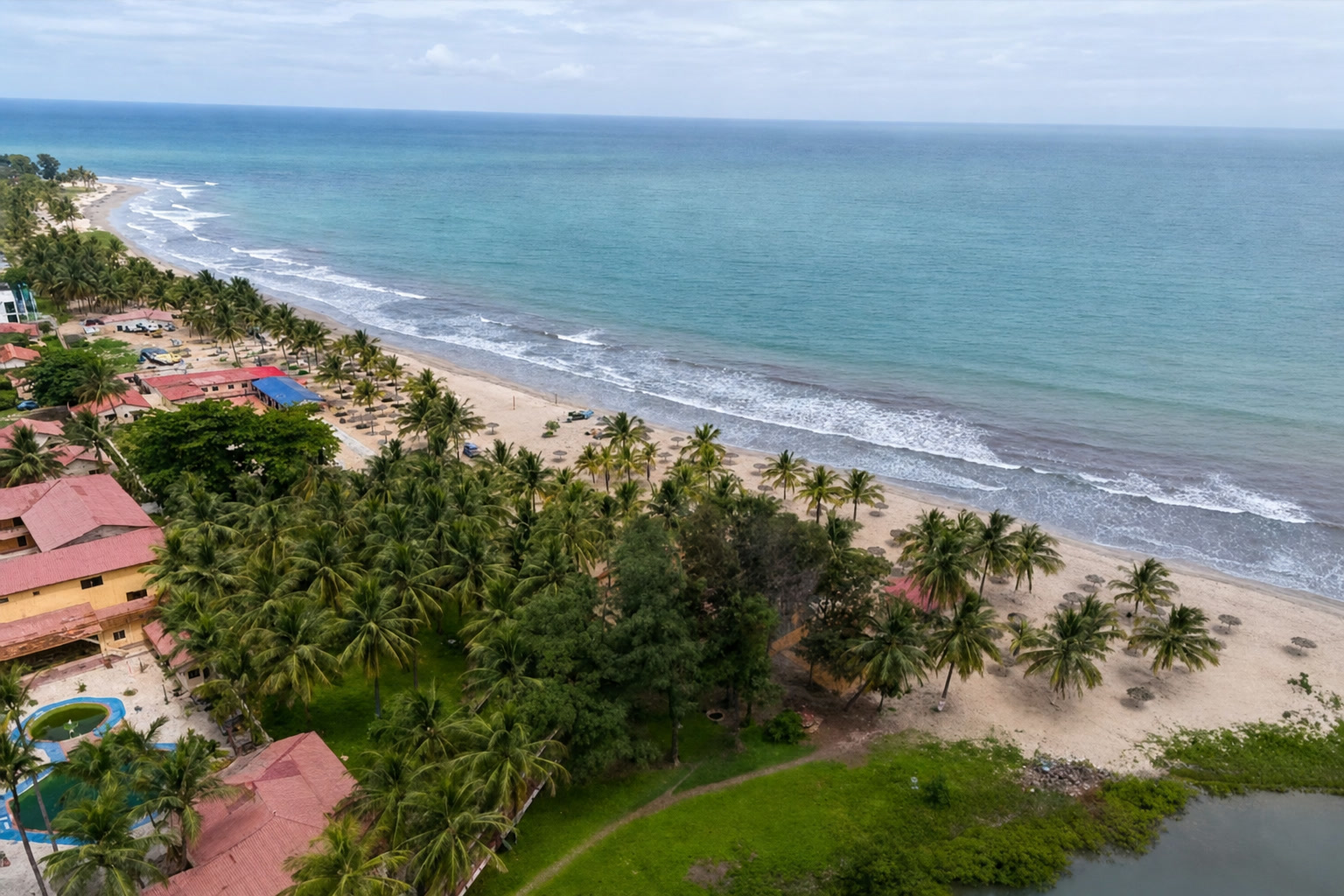
The four pages currently ranking for "overseas property investment" frame the topic around a consistent set of destinations: Portugal, France, Greece, Montenegro, Italy, Malta, Dubai, Cyprus, Turkey, Grenada, Dominica and Antigua. Dubai in particular is promoted as tax free on income, capital gains and inheritance, with high rental yields in prime locations (source: Blacktower Financial Management). The Overseas Investor, a British company operating since 2005 with offices in England, Cyprus and Kuwait, lists citizenship-by-investment property thresholds in Grenada, Cyprus, Turkey and Dominica by minimum investment amount only, and it too has no African market among its programmes. None of the four mentions a Sub Saharan or West African market. Cape Point in Bakau, on the Gambian coast, is a comparable Atlantic facing address, close to embassies, hotels and the international airport, and it is the kind of market this comparison set currently overlooks rather than one it has ruled out.
Verifying construction claims and management before you commit capital
None of the guides comparing overseas destinations explain how to check whether a specific developer is actually building what it advertises, which matters most for anyone buying off-plan from another country. Two things are worth confirming before wiring money: dated, unedited proof of construction, and who manages the property once it is built.
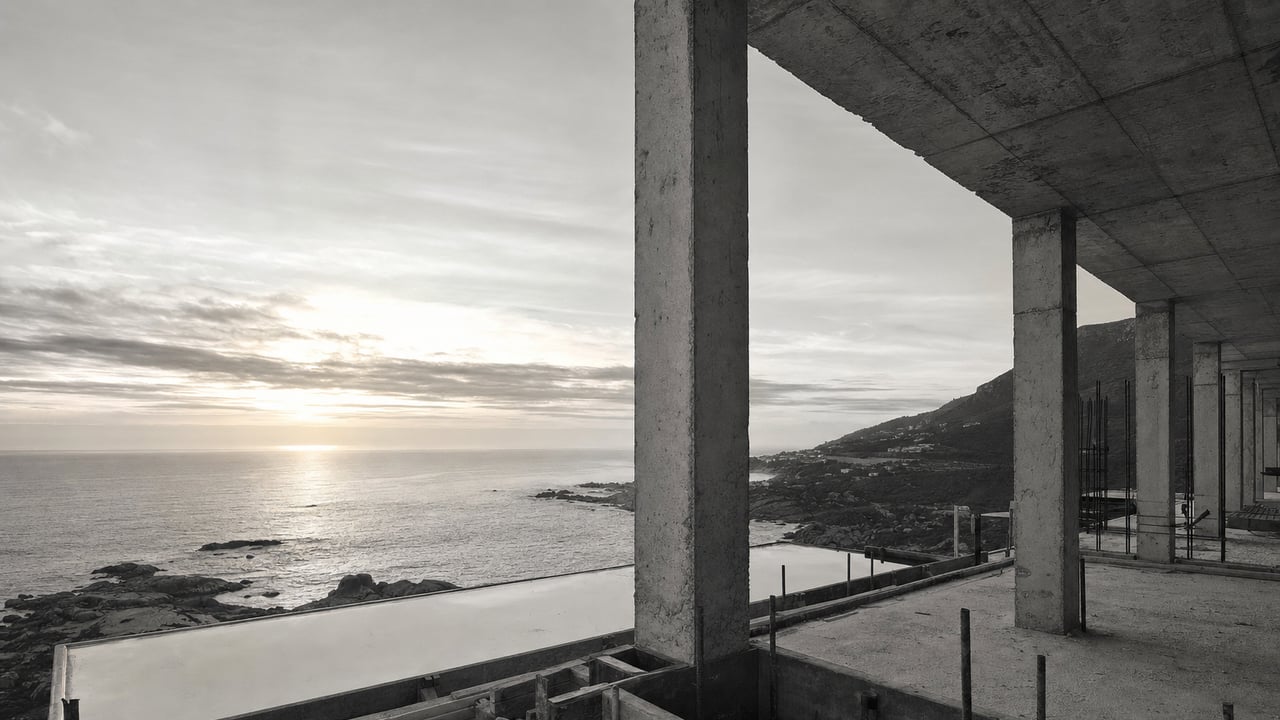
Platinum Tower, a residential tower under construction at Cape Point, publishes a dated construction photo story rather than relying on renders alone, and states its concierge, on site management and 24 hour security commitments directly on its own daily life page. Its availability page lists every residence individually by floor, outlook and status, drawn from the developer's own records, and current pricing is confirmed directly with the sales team rather than published as a fixed figure. That level of detail, checkable line by line, is the kind of record none of the generic overseas-investment guides shows for any specific development.
For buyers with existing ties to a market rather than starting a country search from scratch, the calculation looks somewhat different; see why the Gambian diaspora is buying property back home for that angle. Anyone weighing a purchase from abroad more broadly should also read what to check first before building a home in The Gambia from abroad, since several of the same verification questions apply whether the purchase is a finished unit, an off-plan residence, or a self build. More guides on buying and living at Cape Point are on the journal. Request a virtual presentation to see current construction progress and ask about availability directly.
Buyers comparing this against a domestic UK purchase can see how the legal costs stack up in solicitors fees on buying a house: the full breakdown.