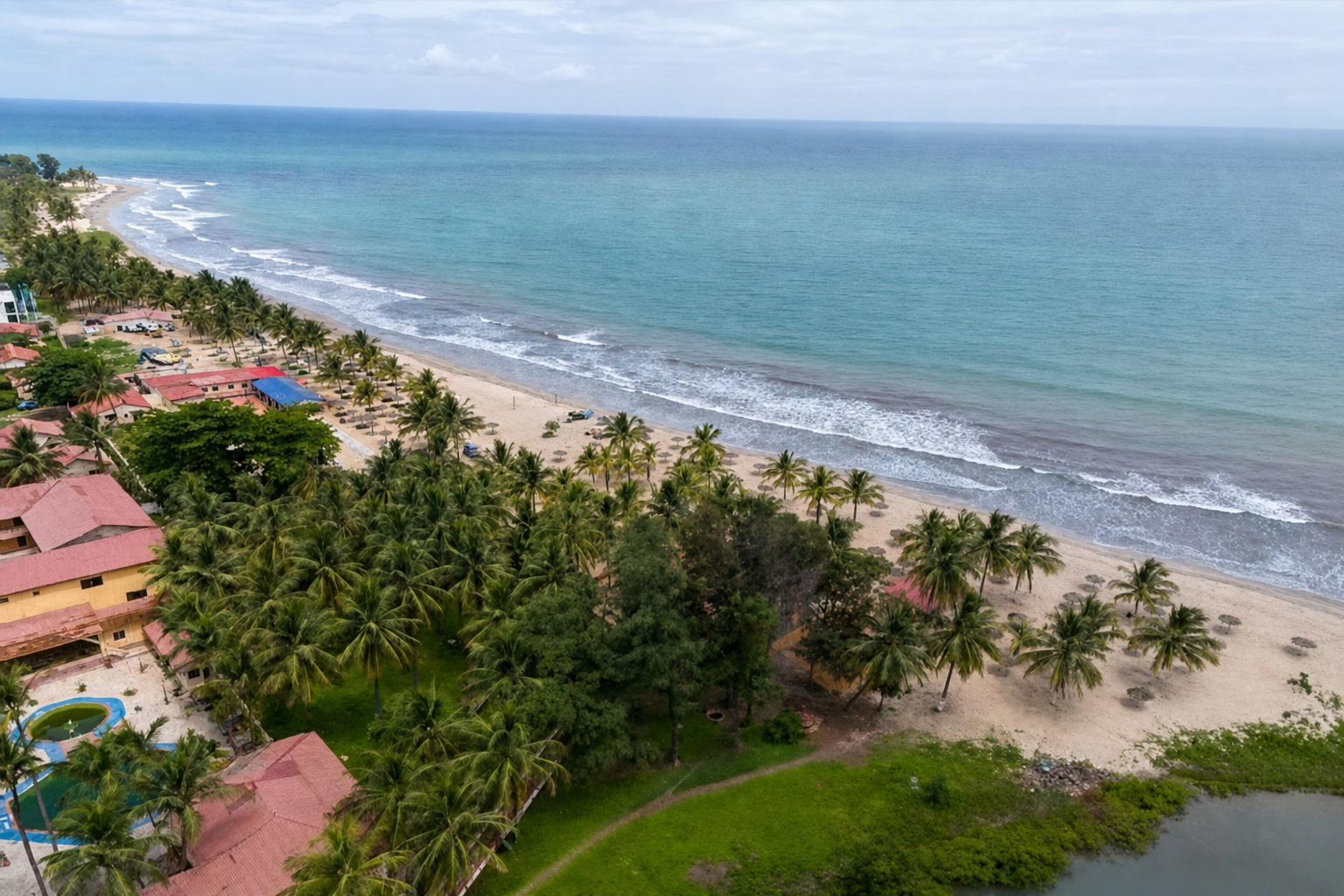
The Gambia's Atlantic coast has become one of West Africa's most sought-after places to own a home, drawing buyers from the diaspora, from Europe and from across the region. For anyone buying from abroad, the difference between a good purchase and a difficult one usually comes down to a few fundamentals: where the property sits, who is building it, and how the sale is structured.
Location is the first decision
The stretch of coast around Bakau, Fajara and Cape Point is the established address for embassies, hotels and international schools. Cape Point in particular sits at the tip of the peninsula, with the Atlantic on one side and Cape Creek on the other. Proximity to the beach, to Banjul and to the international airport tends to hold value better than developments further inland.
Buy from a developer that builds
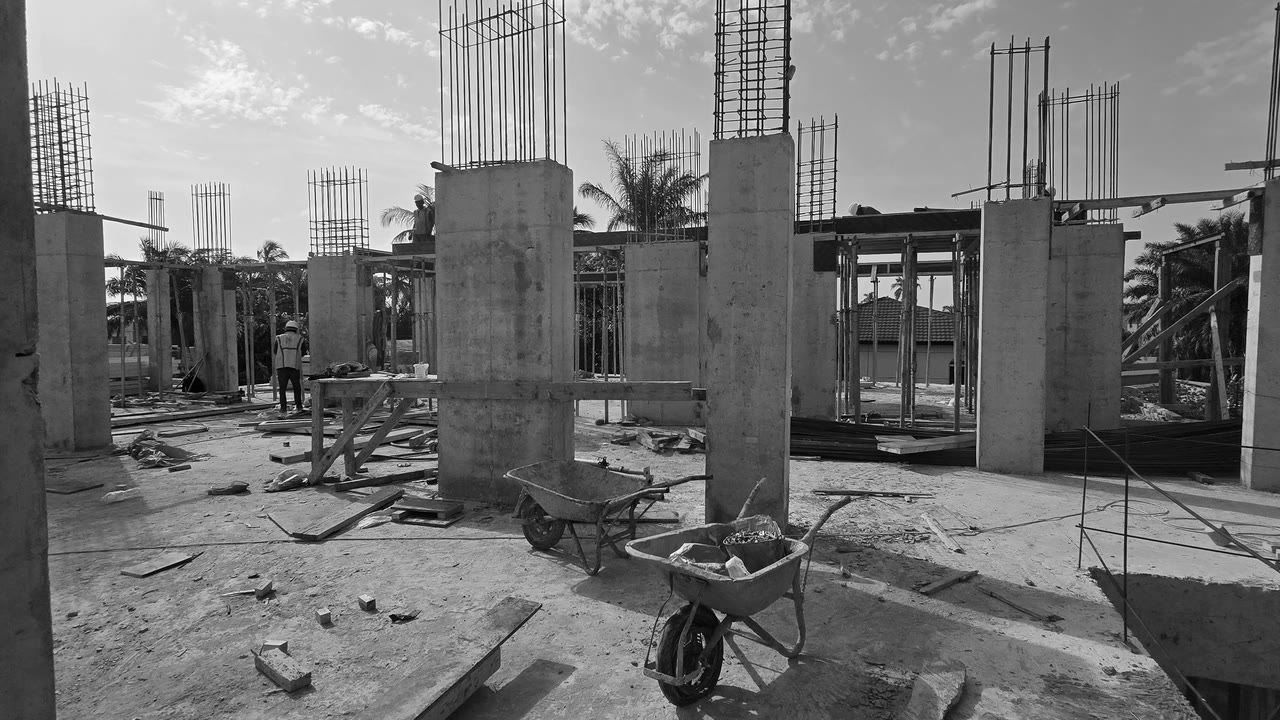
Off-plan sales are common on the coast, which makes the developer's track record the single most important check. A developer that is also the architect and the engineer keeps the design, the budget and the build under one roof, and can show construction progress in person. That verifiability matters most when you are buying from another country, and it is why dated construction updates are worth more than a brochure.
Fully finished versus shell
Not every apartment is delivered ready to live in. A fully finished home, with kitchens, bathrooms, glazing and detailing complete, removes the cost and coordination of fitting out from abroad. Confirm exactly what is included, and treat interior imagery as reference until finishes are specified.
Buying a finished or off-plan home also removes the risks that come with self building on a plot of your own. See what to check before building your own home in The Gambia for the five things to verify first.
For many diaspora buyers the purchase is about more than the property itself: a family base for visits home, an asset, and a retirement option kept open. See why the diaspora is buying property back home for that side of the decision.
Zooming out from The Gambia specifically, the same legal title, tax and financing questions apply to any overseas purchase; see overseas property investment: what the generic guides miss for that wider comparison and for the one check on off-plan construction claims that most country guides skip.