More of the diaspora is buying property back home, and it is not nostalgia. Three reasons come up again and again: a family base for every visit, an asset where the money already goes, and a retirement option kept open rather than decided today. What has changed is not the reasoning. It is the ability to trust a purchase made from another country.
The diaspora is buying back home for reasons beyond nostalgia
Diaspora buyers have always had ties to home. What is different now is that a purchase back home competes seriously with other places to put savings. It can serve several purposes at once: somewhere to stay, something that holds value, and a door left open for later. None of those reasons require moving back immediately.
A family base for visits home: what that actually solves
Arriving to a hotel room is not the same as arriving to a family's own address. A home base in The Gambia means relatives have somewhere to stay together, host visiting family, and keep belongings between trips, instead of starting over each visit. For a family that returns yearly, or for one that hopes to, that changes the shape of every trip. Our guide for overseas buyers covers what to check before that purchase, from location to how the sale is structured.
A home is where the money already goes, put to work instead
Money spent on flights, hotels and gifts on every trip home already leaves the household budget. Directing part of that toward an owned home converts a recurring cost into an asset instead. It is a different calculation than buying a rental property purely for yield, because the buyer is also the future occupant. Building instead of buying finished carries its own risks from abroad, covered in our guide to what to check before building a home in The Gambia.
A retirement option kept open, not a decision made today
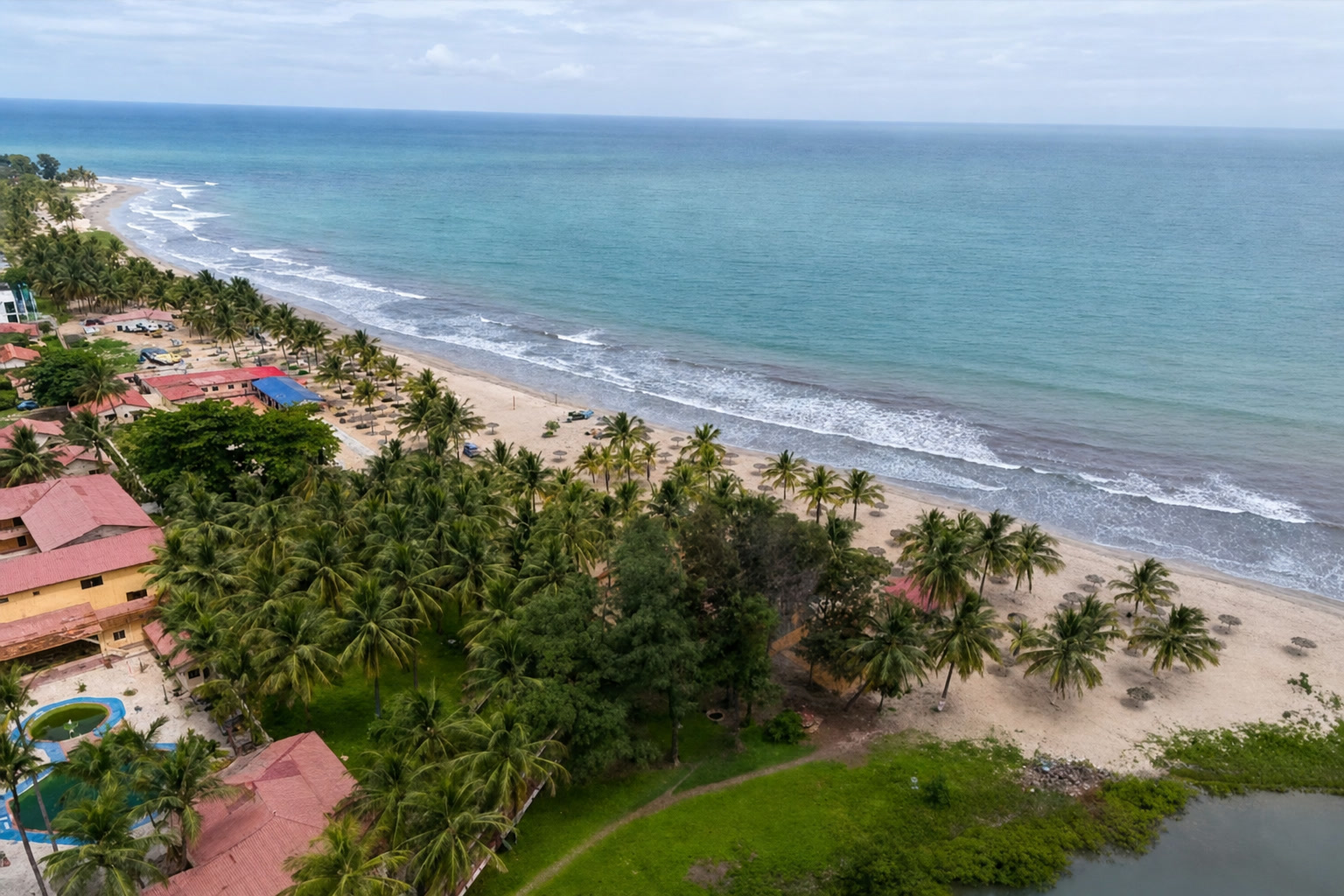
Few people want to commit to relocating decades in advance. Owning a finished, managed home removes that pressure: the option to spend more time in The Gambia, or to retire there eventually, stays open without forcing the decision now. Cape Point, in Bakau's diplomatic quarter, is one of the coastal areas diaspora and international buyers weigh for that reason, close to embassies, the coastline and Banjul. More on the area is in our guide to Cape Point, Bakau.
The historical catch: buying a home you cannot walk through from abroad
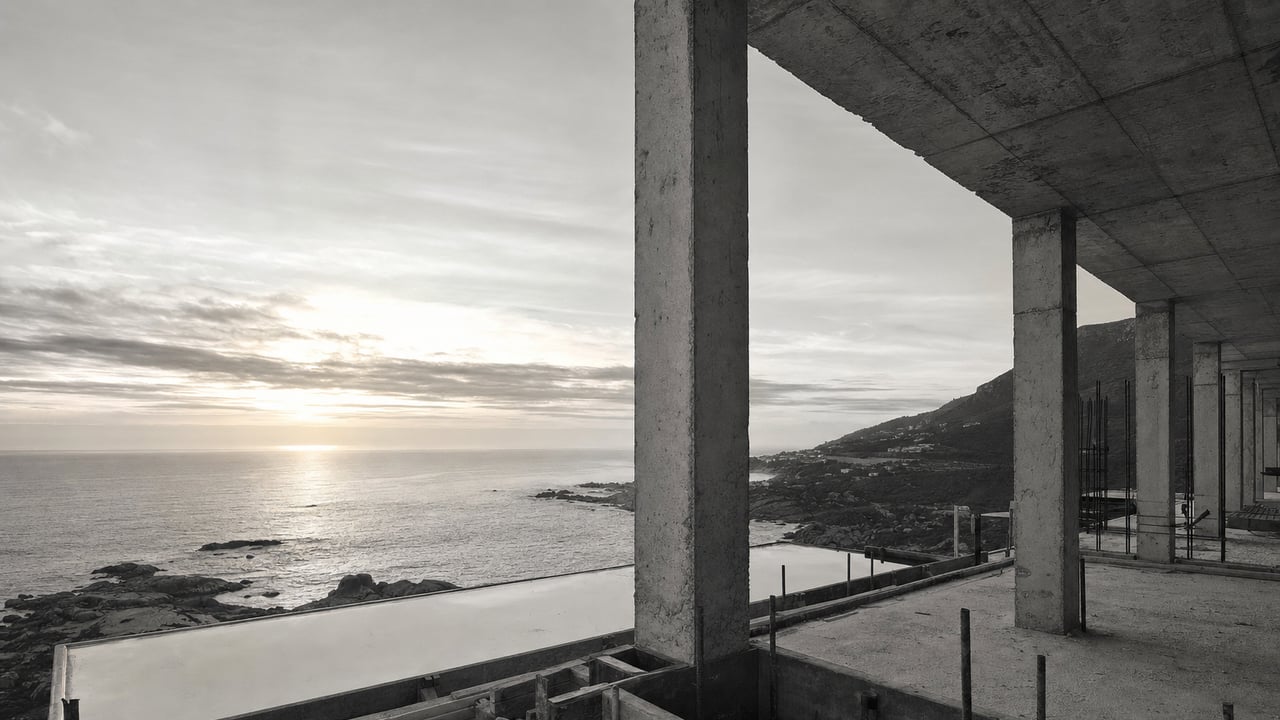
None of the three reasons above are new. What used to stop diaspora buyers was simpler and more practical: doing it from abroad meant trusting updates about a building nobody in the family could inspect. A brochure and a handful of renders are not enough. The money leaving an account is real, even while the building is still concrete and rebar. That gap, not the motivation to buy, is what kept many purchases from moving forward.
Dated construction progress removes the catch
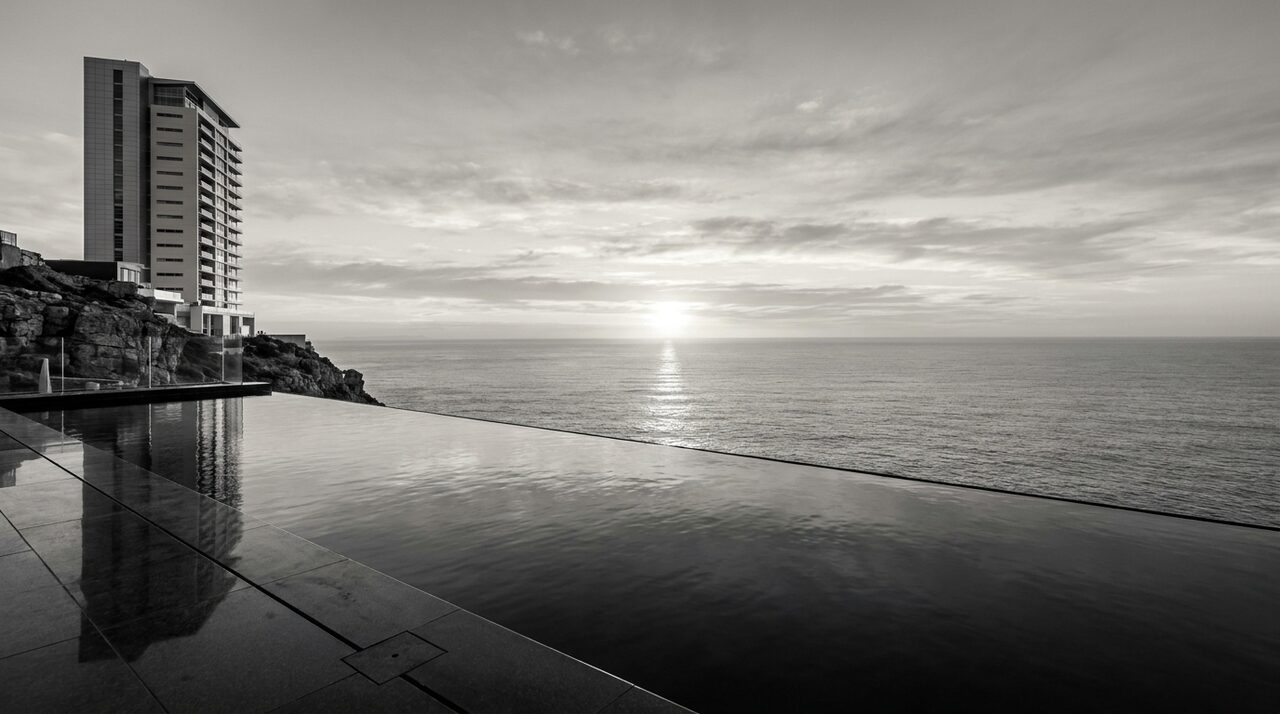
Following the build from a phone is what closes that gap. Platinum Tower is designed, engineered and built by Neotec Africa under one roof. Progress updates come from the team doing the work, not a reseller passing along someone else's word. The tower's own dated construction photo story and aerial timelapse of the site give a record that can be checked from anywhere, on the buyer's own schedule. Its 56 residences, from studios to two penthouses, are documented the same way. For the mechanics of buying before completion, see buying off-plan at Platinum Tower, or request a virtual presentation to see current construction progress and ask questions directly.