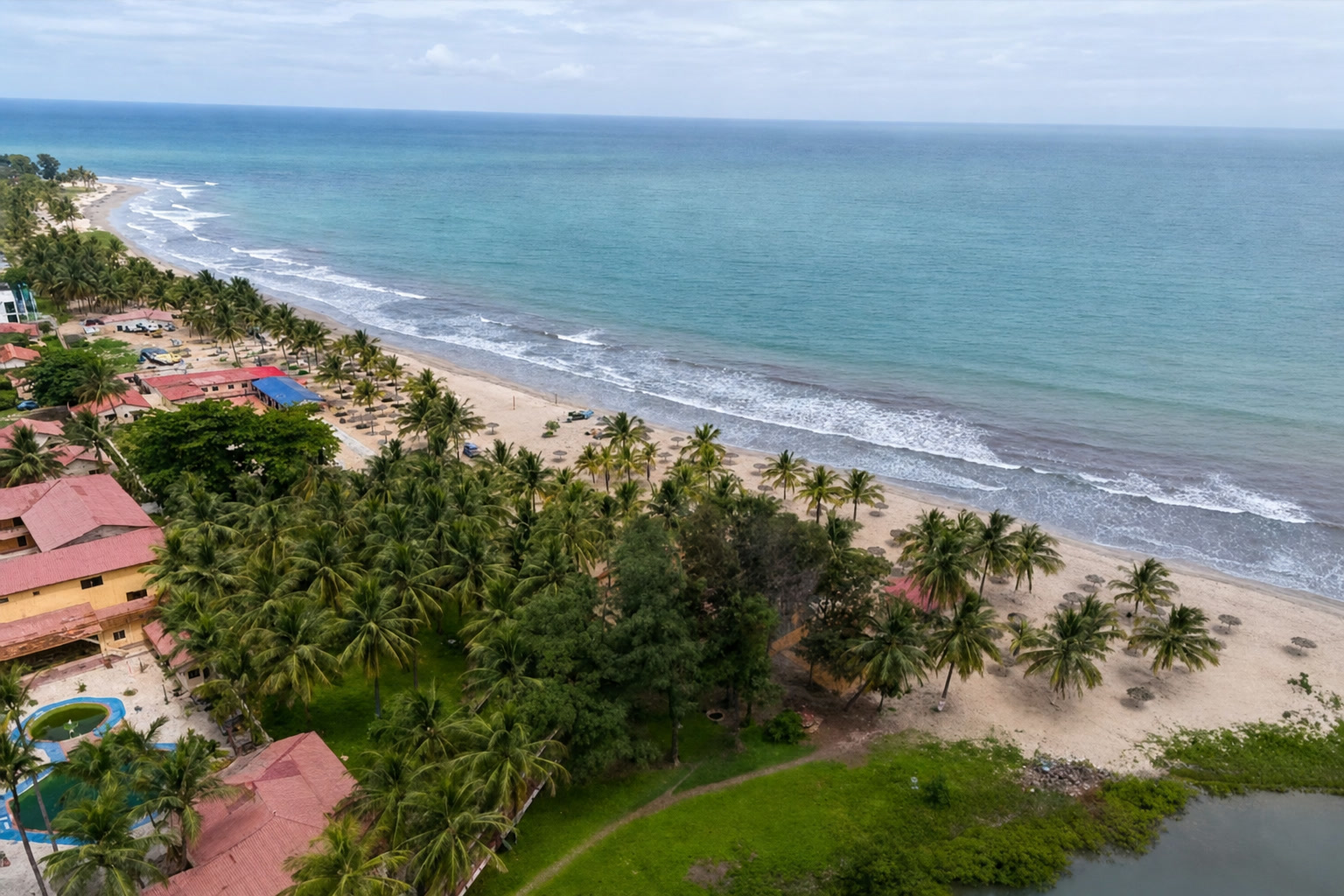
Land in The Gambia is easy enough to buy from abroad once the title is clear. Building on it afterward is where a self build turns into a second, harder project, one that runs on a site nobody in the family can check in person.
The title search is the step everyone already checks
Most guides to buying land in The Gambia stop at the legal step: confirming leasehold or freehold status, appointing independent counsel and completing the title search before the first transfer. That step matters and should not be skipped. It is also, by itself, not the part that determines whether a house actually gets built the way it was planned.
Five checks decide what happens after the transfer
Before committing to a self build, five things are worth confirming, since each one keeps causing problems for owners building from abroad.
- Who is on site every day once construction starts, and who that person reports to.
- Whether the title is genuinely clear, not just represented as clear.
- Whether water, power and road access reach the plot itself, not just the neighbourhood.
- What the real, all in budget looks like once site preparation, materials delivery and labour are priced honestly.
- Who looks after the property while the owner is away, once it is built.
If any of those five raise doubts, that doubt is the actual argument for buying a finished or managed home instead of building alone. Our guide for overseas buyers covers the wider purchase process this article assumes.
Why self build budgets slip when nobody local can verify spend
A self build budget is only as reliable as the person checking invoices against work actually done on site. From abroad, an owner cannot compare a delivery note to the materials on the ground, or confirm that a paid stage of work is finished before the next payment goes out. Each of those gaps tends to add cost, and they compound over a build that runs many months without the owner present to catch them early.
Buying in a managed building removes most of that list
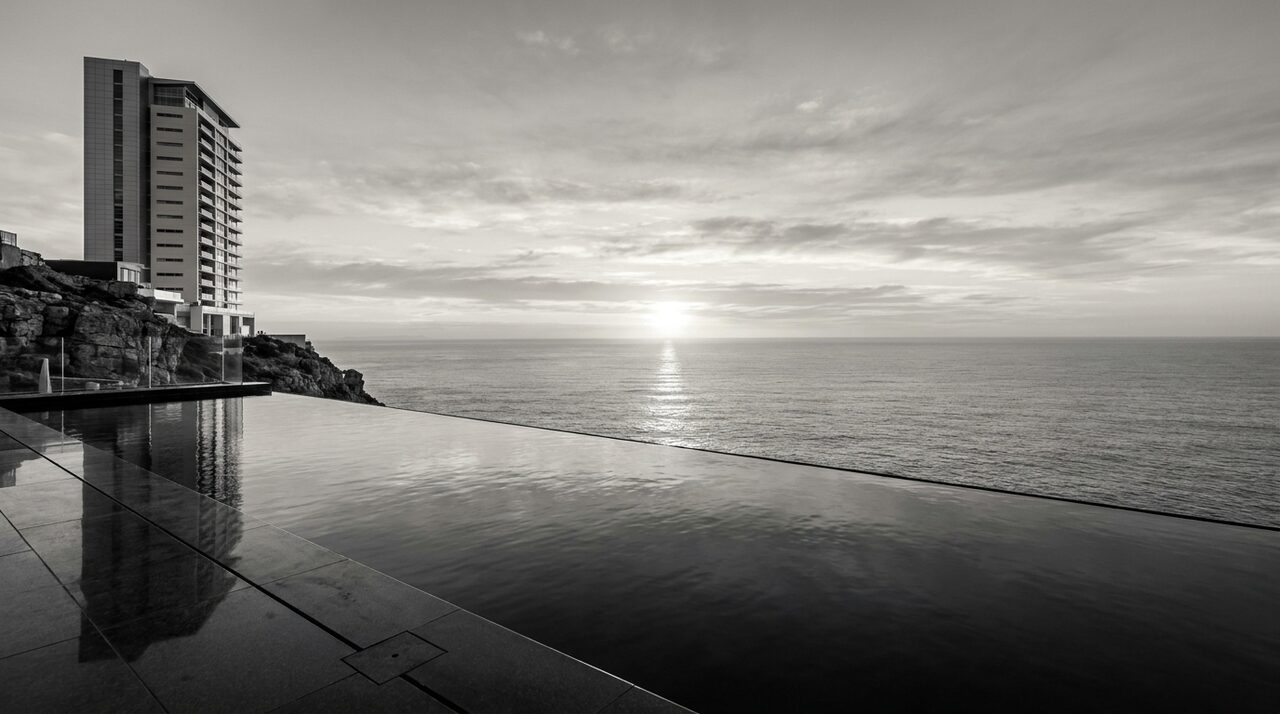
A managed building answers most of the five checks before the buyer ever has to ask them. Platinum Tower, at Cape Point in Bakau, is designed, engineered and built by Neotec Africa under one roof, so there is a single accountable builder rather than a chain of separate contractors an owner has to supervise from abroad. The building comprises 56 residences, a mix of studios, two and three bedroom homes and penthouses. Utilities, road access and daily site oversight are the developer's responsibility, not the buyer's, as set out in our guide to buying off-plan at Platinum Tower.
What ongoing management covers once the building is finished
The comparison does not end at handover. A self build still needs someone to secure and maintain it once the owner leaves again. Platinum Tower operates as a concierge building with on site management, so security and day to day oversight continue without the owner arranging separate staff from overseas. The building sits within Cape Point, Bakau, the established diplomatic quarter of Greater Banjul.
Where this fits for a diaspora buyer deciding now
Buying land and self building remains a valid path for buyers who can genuinely resource local supervision, verified utilities and an honest budget. For buyers who cannot arrange that from abroad, buying an already managed home is the more direct way to remove the same five risks. Request a virtual presentation of Platinum Tower to see how the building answers each of them firsthand.