Type "invest in Gambia" into a search bar and the top results all answer the same, narrower question: how do you register a company there. GIEPA's own dedicated investment page lists agribusiness, ICT, renewable energy, light manufacturing, transport and tourism as target sectors, with no mention of real estate anywhere on the page. The Gambia High Commission in the UK and the Gambia Embassy in the EU cover the same ground: sector incentives, licences, tax exemptions. None of it addresses the searcher who is not planning to open a business at all, just to put personal capital into an asset.
The official invest in Gambia pages are talking about companies, not you
Every one of the three government and agency pages reviewed for this article frames investment as company formation under an incentive scheme. The Gambia High Commission's trade and investment page names market access to a roughly 300 million person ECOWAS trading bloc, competitive labour costs and a stable, market based economy as its top three reasons to invest, in a page that runs under one hundred words with no process for an individual to actually act on it. The Gambia Embassy's page is longer, listing GIPFZA services such as permit assistance, project proposal advice and site visits, again built for a company applying for a licence.
Two of the questions people actually ask alongside this search, "can a foreigner buy property in Gambia" and "how can I make money in Gambia", show a real slice of that audience is evaluating a personal asset and a personal income route, not a corporate registration. None of the three pages reviewed here answers either version of the question. A UK citizen weighing this route also asks a fourth, quieter question: whether buying a home there changes their right to live in the country. It does not. Ownership is a property question, governed by land law; living there longer term runs on Gambian immigration rules for visas and permits, a separate track a purchase does not shortcut.
Foreigners can own property in The Gambia, if you check title first
The property route these guides skip is legal. Foreign and diaspora buyers purchase on the Gambian coast regularly, and the practical difficulty is not eligibility, it is verification: whether the title on offer is genuinely clear, and whether it is freehold or a long leasehold, confirmed by independent counsel before any transfer. That check applies whether you are buying raw land to self build or a finished home in a managed building, and it is worth doing before money moves, not after.
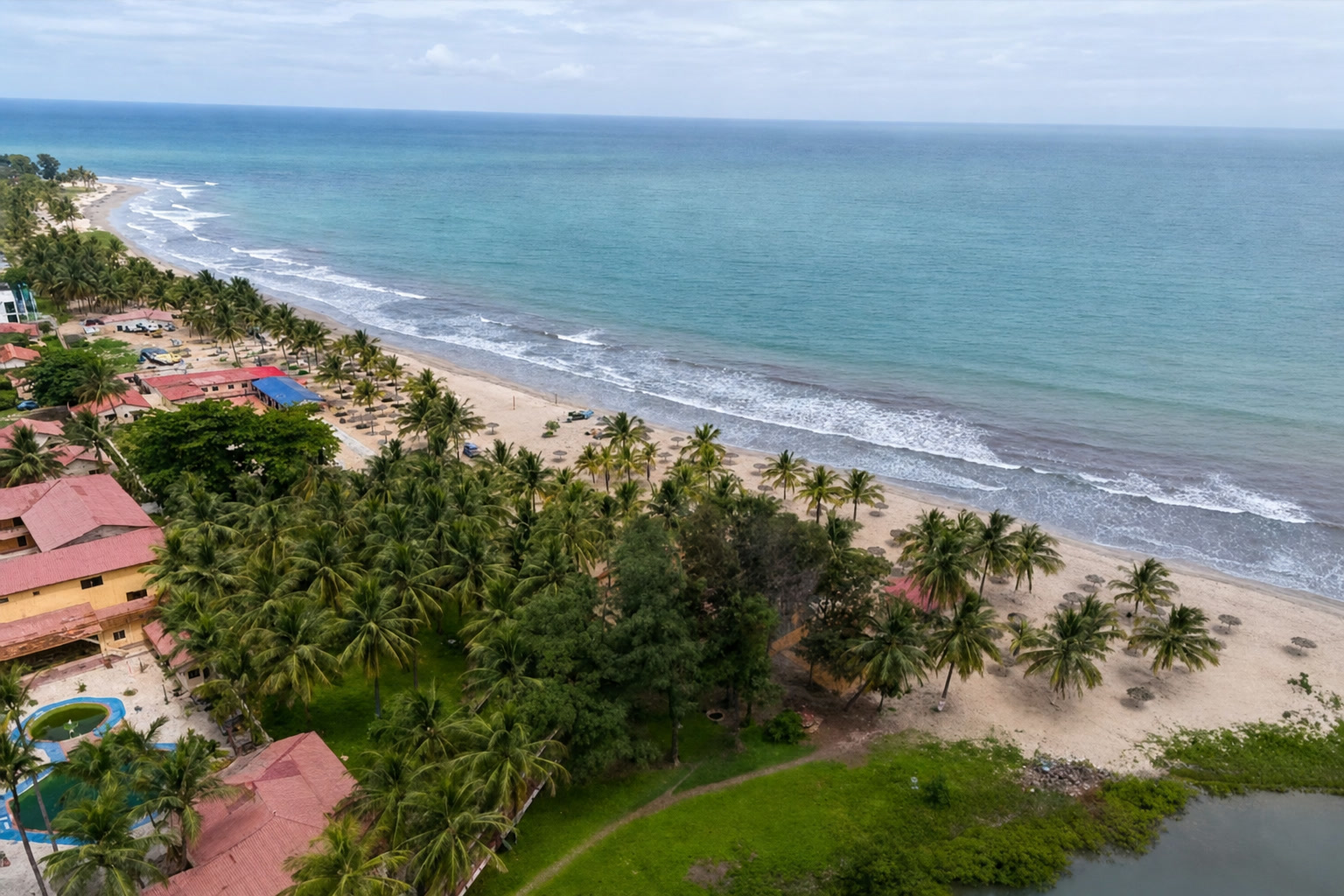
Location does most of the remaining work. The stretch around Bakau, Fajara and Cape Point is Greater Banjul's established coastal address, close to the diplomatic quarter, within reach of Banjul and the international airport, and it is the part of the coast an international or diaspora buyer typically compares against other markets first.
GIEPA's Special Investment Certificate is built for a business, not a buyer
GIEPA's headline incentive, the Special Investment Certificate, grants an approved company five years of exemptions covering withholding tax on dividends, customs duties on approved capital equipment, sales tax and turnover tax, plus preferential land allocation for the investment site, according to the Gambia Embassy's own investment page. The US State Department's 2025 Investment Climate Statement for The Gambia adds that foreign companies can invest without facing formal systemic discrimination in favour of local firms, though challenges remain.
All of that is real, and none of it is relevant to someone who has no intention of registering a company. A personal purchase does not run through GIPFZA, does not need a Special Investment Certificate, and does not touch the sector list agribusiness, fisheries, energy, manufacturing or tourism qualify for. It runs through property law and a developer's own sales process instead.
Gambia's Atlantic coast, measured against the markets investors already compare
Foreign direct investment into The Gambia rose roughly 14 fold between 2017 and 2021, reaching an all time high of $249 million, the most recent figure UNCTAD has published for the country, as of an article dated 30 July 2024. That is a country level trend, not a guarantee for any single purchase, but it is a data point none of the reviewed government pages puts alongside their sector pitch.
Generic overseas property round ups, the kind that compare Portugal, Greece, Malta or Dubai on tax treatment, do not mention West Africa's Atlantic coast at all. That is a gap in the comparison sets those guides use, not evidence the market itself is untested: Cape Point sits inside the same diplomatic quarter as the embassies and international institutions of Bakau, with direct flight links to Europe.
The real risk in an off-plan purchase, and how to verify progress before you wire money
None of the three government or agency pages reviewed here addresses the one risk that actually applies to a real estate purchase made from abroad: verifying that a specific developer's construction claims match what is actually being built, before money is wired overseas. That risk exists whether the project is in Lisbon or Bakau, and it is the part generic FDI guidance never covers because FDI guidance is not written for a buyer choosing a specific building.
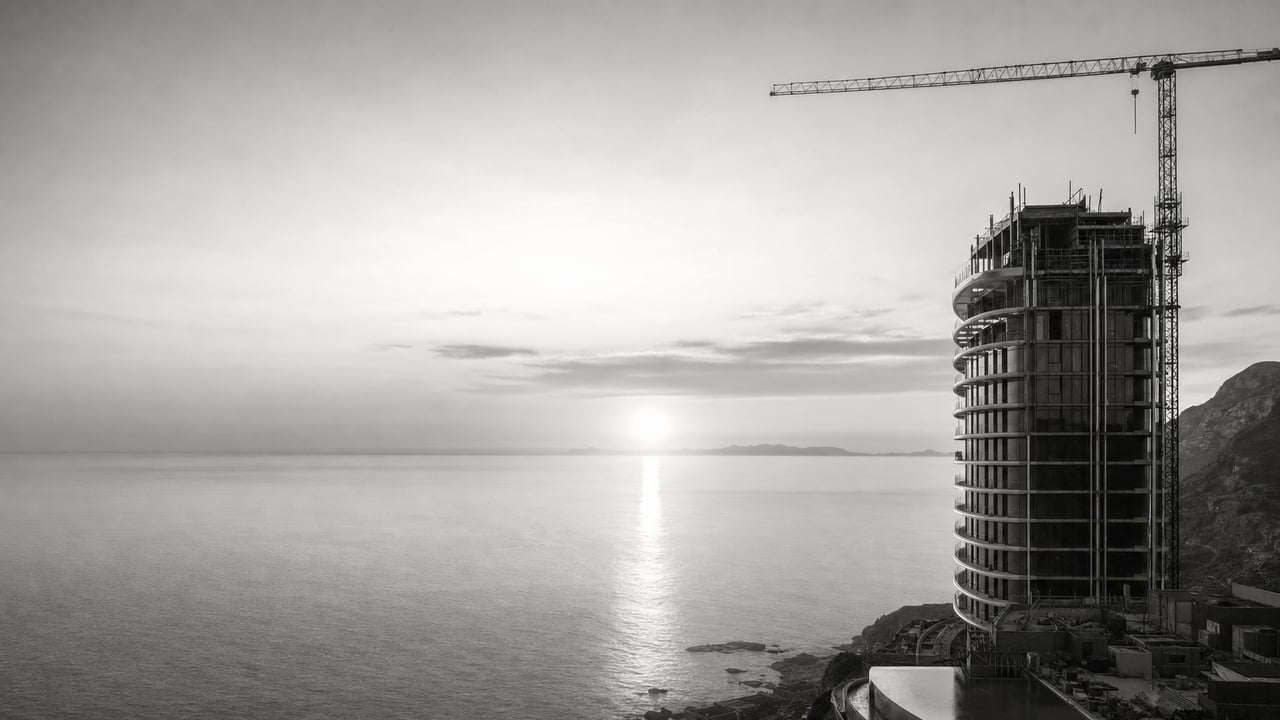
Neotec Africa is the architect, engineer and builder of Platinum Tower under one roof, which means construction updates come from the team doing the work rather than a reseller repeating someone else's word, and dated progress can be checked in person at Cape Point rather than taken on faith from a brochure. Our guide on what to check before building a home in The Gambia from abroad sets out why that in person verification matters more than a title search alone. The building itself is 56 residences across eleven floors, from studios to two panoramic penthouses, delivered fully finished. A reservation secures a chosen residence, followed by a staged payment schedule structured for a buyer earning and paying in GBP, USD or EUR rather than the Gambian dalasi, with the full plan confirmed on request rather than published as a generic number.
Before any of that, most investors evaluating a new market also ask whether it is safe to spend time in, a separate question from whether it is safe to invest in; see what the UK and Canadian travel advisories actually say about Gambia. For more on buying from abroad, construction verification and life at Cape Point, the Platinum Tower journal covers each of those guides in full.
If the personal asset question is the one the government pages left unanswered, book a visit to see where the tower is rising, or request a virtual presentation of the residences and the payment structure before you decide.