Anyone typing "is Gambia safe" before booking a trip, or before going further and considering a longer stay or a property purchase, is really asking two different things: does the country carry meaningful risk, and does that risk change once a short visit turns into living there day to day. The UK and Canadian governments both answer the first question in detail. Neither answers the second.
The official risk rating is caution, not avoidance
The UK Foreign, Commonwealth and Development Office currently advises that although The Gambia has no recent history of terrorism, attacks cannot be ruled out and could be indiscriminate in places visited by foreigners. The Government of Canada's current overall guidance, last updated in September 2026, is to exercise a high degree of caution in The Gambia, driven by petty crime rather than any specific threat. Both ratings sit well short of advising against travel altogether, and both point to the same everyday risks, not to war, unrest or a heightened terrorism threat.
Petty theft and bumster scams are the everyday risks
The UK FCDO documents petty theft as a problem in cities and tourist areas, naming isolated beaches, markets, crowded events and venues outside the main tourist areas as the highest risk settings, along with reports of passports and valuables being stolen from hotel rooms. It also advises being polite but firm in declining unsolicited help from bumsters, young men who approach tourists, particularly on beaches, offering to act as guides and sometimes asking for money afterwards. A Reddit thread on r/Gambia puts this more bluntly, claiming that white or mixed race visitors are harassed a lot on the street. The official FCDO account is narrower: it describes a specific, named scam pattern with a specific response, not open ended harassment.
Road conditions and health precautions before you travel
In the greater Banjul area, main roads are paved but narrow, potholed and poorly lit, and most roads outside the capital are unpaved. The Canadian advisory recommends avoiding driving outside urban areas after dark. Security checkpoints operate in and around Banjul and on all major routes, and travellers should expect their vehicle to be searched if stopped. On health, Canada lists The Gambia within the African Meningitis Belt and recommends discussing meningococcal vaccination with a health care provider before travel, alongside yellow fever proof of vaccination for anyone arriving from another yellow fever country.
Gambia's laws on religion, relationships and drugs affect every visitor
The Gambia is an Islamic country, and the UK FCDO advises visitors to be mindful of local customs, including conduct during Ramadan. Same sex relationships are illegal, with zero tolerance towards LGBT+ people that could lead to lengthy prison sentences. There is also zero tolerance towards illegal drugs, including importing, exporting or possession, with severe fines or prison sentences for those found with them. None of these rules soften for a short holiday, and none of them appear in most general travel blogs written about the country.
Every advisory above is written for a two week trip, not a life
Five sources reviewed for this guide, the UK FCDO's safety and security page, its parent gov.uk hub, the Canadian government's Gambia advisory, TUI's Gambia travel advice page and a popular travel blog, all organise their advice around holidaymakers: hotel rooms, beaches, package tours, driving trips. None distinguishes a two week visit from long term residency or property ownership, and none mentions what changes once someone lives inside a managed, gated residential building rather than moving between hotels and tourist sites. None addresses Bakau's diplomatic quarter specifically, despite it being a distinct, embassy dense area with a different day to day profile from the open beach areas the advisories focus their scam and theft warnings on. Our own guide on building a home in The Gambia from abroad starts where these advisories stop, at the point where a visitor becomes a buyer.
What changes inside a managed building in Bakau's diplomatic quarter
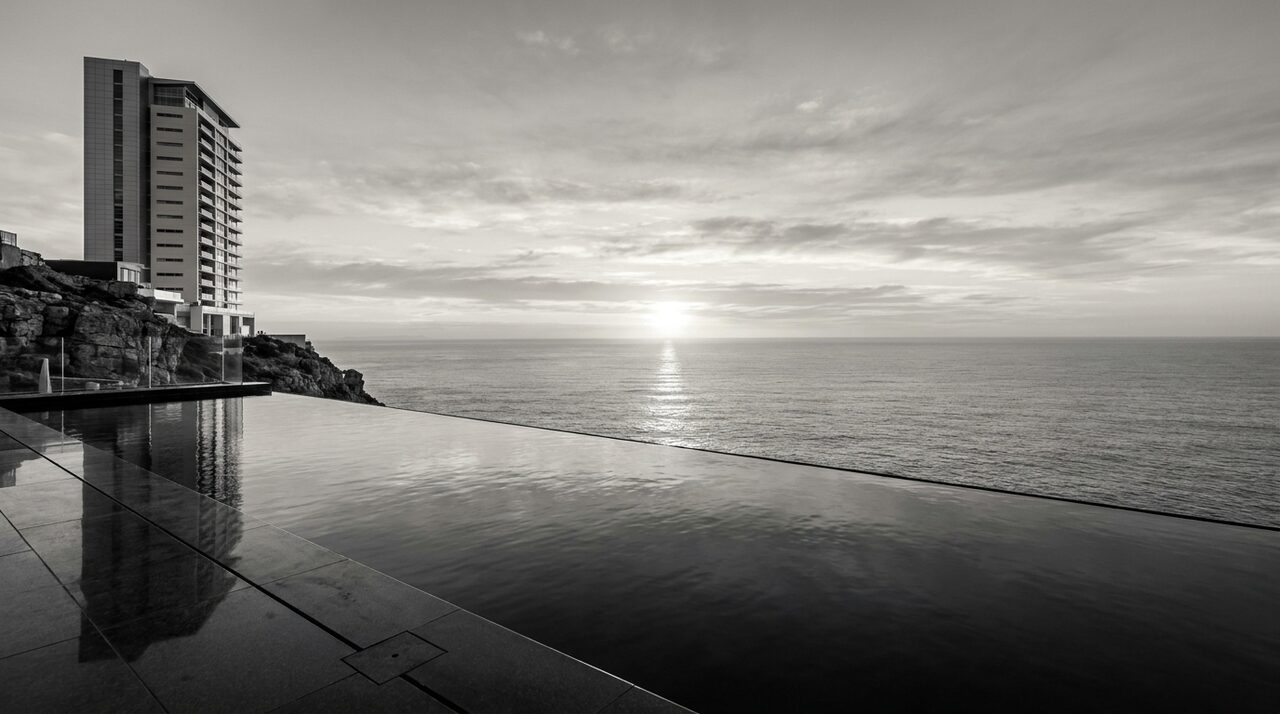
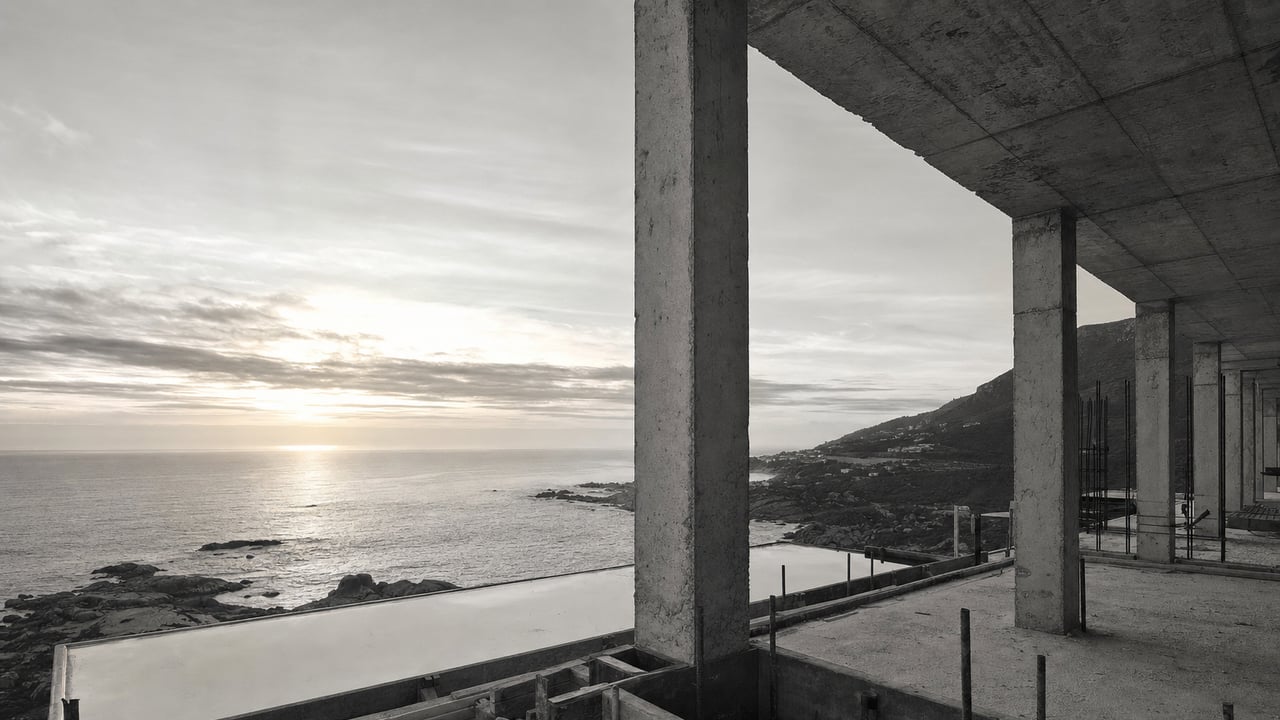
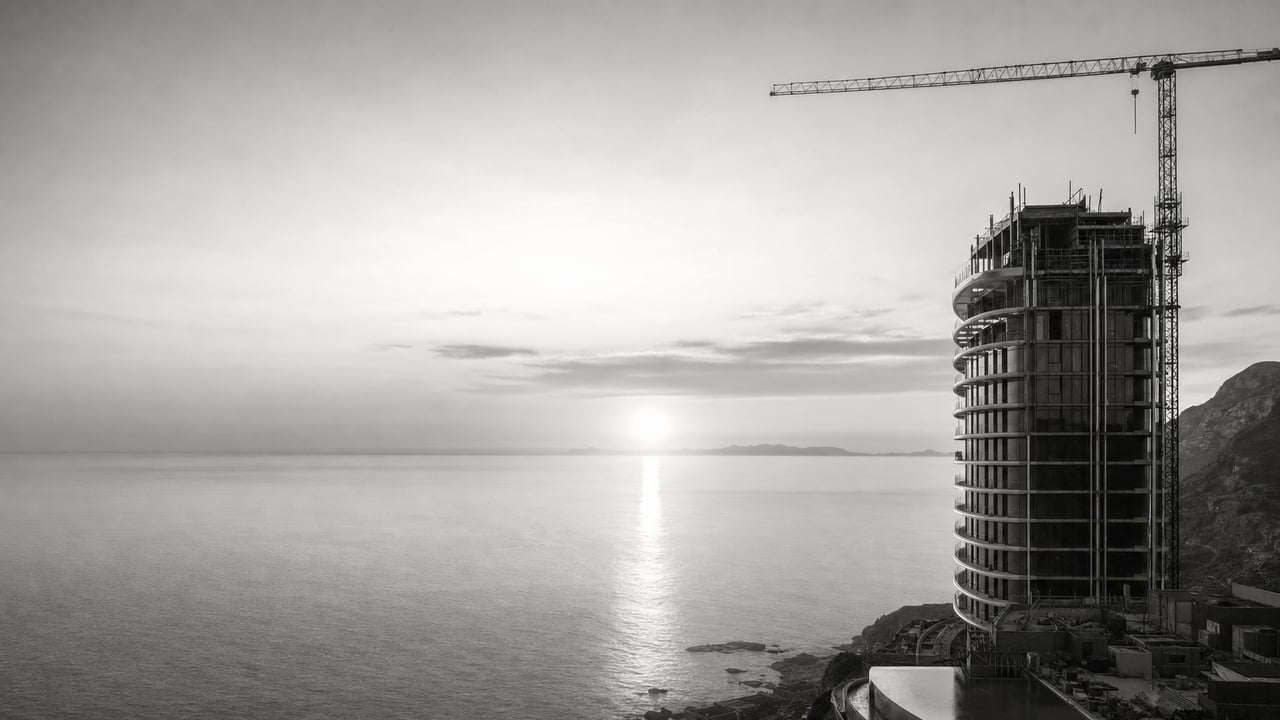
Platinum Tower's own homepage describes its location as being in the diplomatic quarter of Bakau, between the embassies, the coastline and the capital, a specific, embassy dense micro area distinct from the open tourist beaches the advisories warn about. It describes the building itself as a concierge building with resort amenities, professionally managed on site, the kind of day to day management structure none of the tourist focused advisories account for. That distinction matters most for the diaspora and international buyers who read our guide on why the Gambian diaspora buys property back home: the safety picture above answers the tourist's question, and a managed building answers the resident's.
Before treating any of this as settled, verify it yourself rather than take a developer's word for it. Our guide on building a home in The Gambia lists who looks after a property while the owner is away as one of five checks worth confirming before a purchase, directly addressing the ongoing residency and absentee ownership question the official advisories never raise. The journal has further guides on buying property and life at Cape Point for anyone at that stage. Book a visit to see the diplomatic quarter and the building's on site management in person.