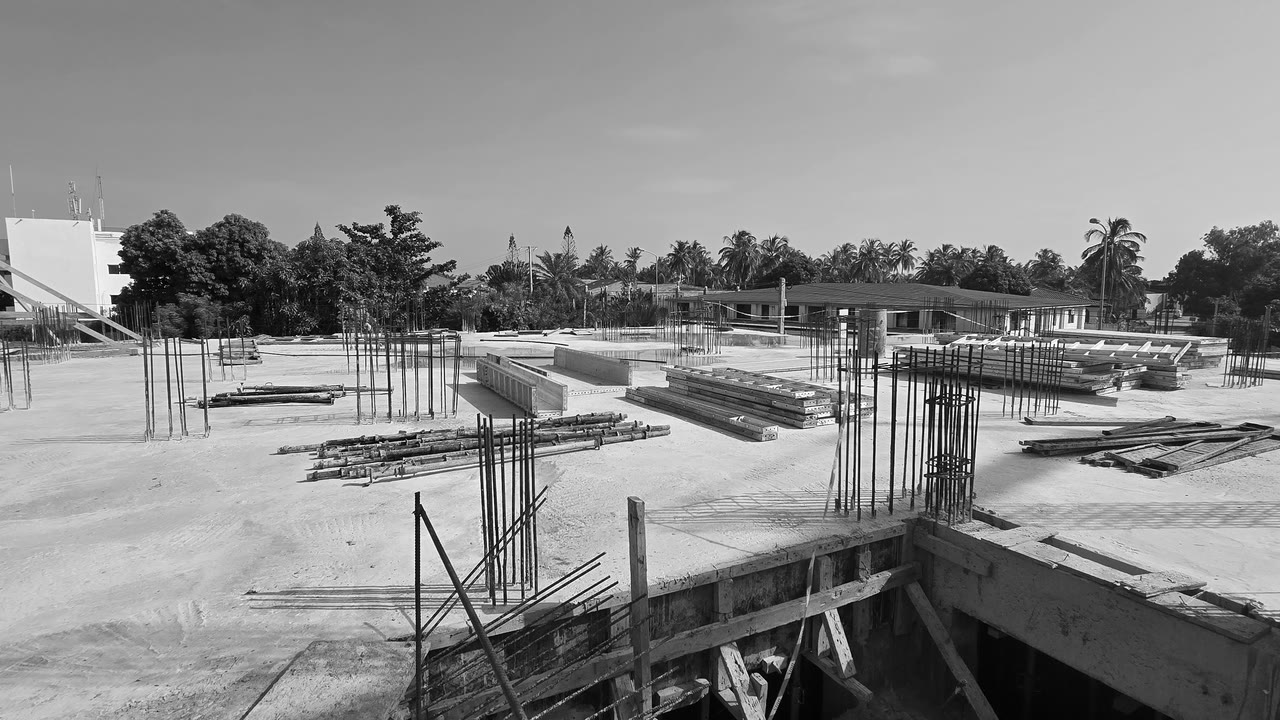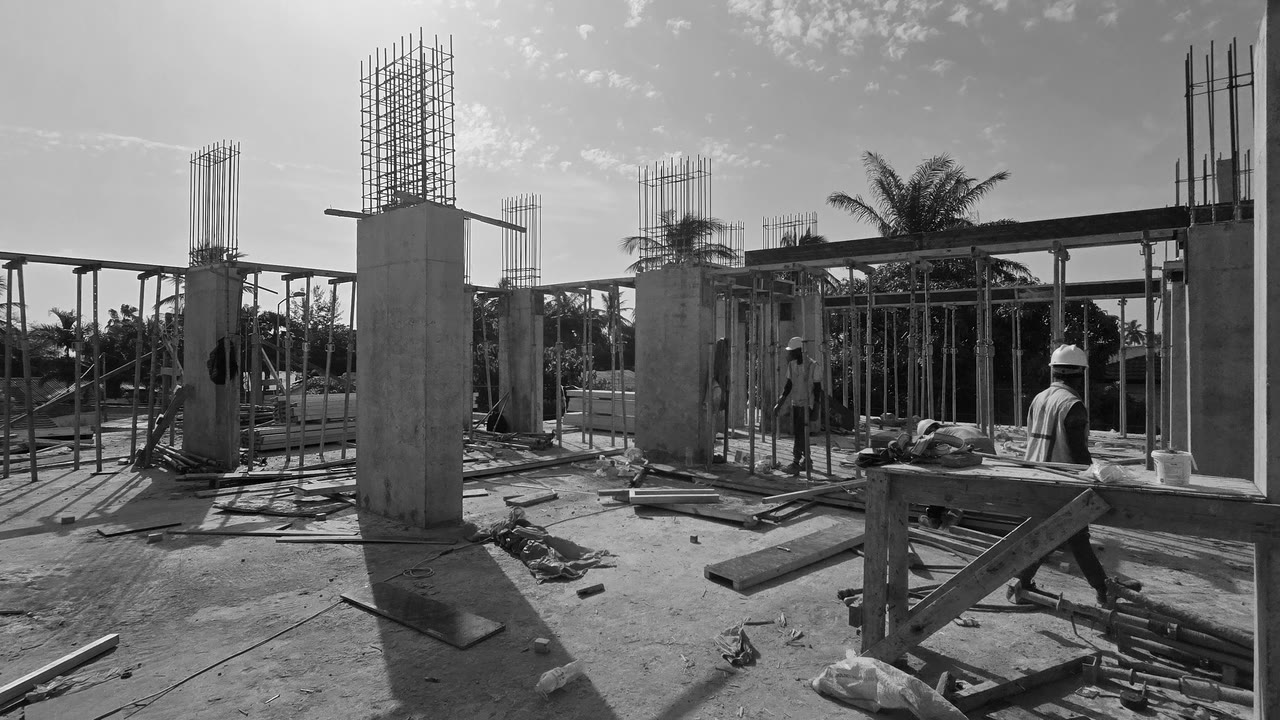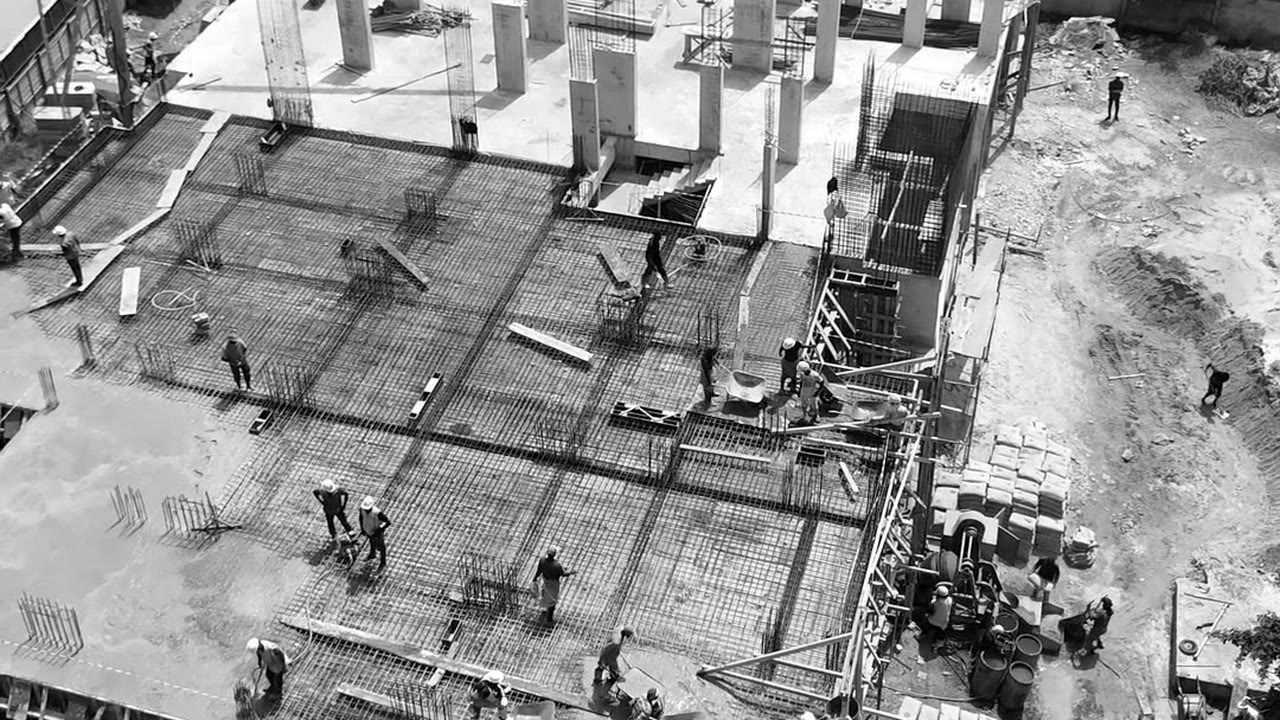
A Platinum Tower reel hands the explaining over to project manager Habib Jallow, on site for a single concrete slab pour. Habib Jallow walks through the pour itself and the fact that three separate crews share the work across that one day. Here is what that interview actually shows about how a slab pour runs, and why it is planned to finish the day it starts rather than split across two.
This piece sits alongside two earlier checks in the same series: Platinum Tower's Dubai finished, Cape Point slab ad, checked, which covers what a bare slab proves about construction stage, and Platinum Tower's 'how many trades' ad, checked, which covers the trades still ahead of today's structure.
The ad follows one pour, start to finish, through project manager Habib Jallow
The ad's format is an interview, not a voiceover. Habib Jallow, named on screen as project manager, talks through a single concrete slab pour at Cape Point from the site itself. The ad's claim is narrow: one pour, one day, three crews. It does not claim a finished floor, a specific area for that pour, or a date for the next one. Reading it as anything wider than that one day's work overstates what the interview actually says.
Why a concrete slab pour has to finish the day it starts
A concrete slab is poured wet and has to be levelled, compacted and finished while every part of it is still workable. General guides to laying a concrete base describe the same pressure: once concrete is mixed, it typically starts to harden within about two hours, so a crew has to unload, place and screed it before that window closes, per Heidelberg Materials' step by step guide to laying a concrete base. Builders discussing the same question online generally treat pouring a slab in separate sessions as a problem to plan around rather than a routine choice, as this discussion of pouring a slab in batches shows. Stopping partway through a single slab and resuming hours or days later risks a visible, weaker seam between the two sections, which is why a crew plans a pour to finish the same day it starts, not across two.
How three crews divide one pour across a single day
Three crews working one pour is a scheduling choice, not three separate jobs. A single slab pour on a floor this size moves through stages that can run in parallel: placing and spreading the concrete, screeding and levelling it to grade, and floating and finishing the surface behind the first two, a sequence described in general terms in groundzeronwa's site preparation and pour guide. Splitting those stages across three crews keeps the pour moving at the pace the concrete itself sets, instead of one crew trying to place, screed and finish the same section before it starts to set. Neotec Africa has not published a breakdown of what each of the three crews in the ad specifically handled, and the ad itself does not name their individual tasks either.
What stage Platinum Tower's structure is at today
As of October 2026, Platinum Tower's structure is reinforced concrete at the second floor, per the developer's own construction progress page. The ground floor is cast, the first slabs are in place, and columns are going up above them. Facades, interiors, amenities and the upper floors have not started. The single pour shown in the ad is one part of that same sequence, not a separate or later stage. The aerial timelapse, checked and the construction progress photo story confirm the same stage from two other angles.
How to read a site interview like this one
An interview with a named project manager, filmed on site, carries more weight than a voiceover over stock footage, but it is still one ad's framing of one day's work. The honest way to use it is as a window into the build process, not as a substitute for the developer's own dated progress record. Platinum Tower publishes dated construction updates rather than asking a buyer to take one video at face value; the off-plan buying guide explains how to read those updates against this one.
DM the sales team for the latest dated photos of this pour at Cape Point, or request a virtual presentation of the finished design.